
January 2026
January Update
We’ve hardly been out with the cameras this month — just one day at Lackford Lakes, the Suffolk Wildlife Trust reserve. Most of our time has been spent tackling a long-overdue project: sorting through our photo archive. With over 100,000 images on the computer, things had slowed to a crawl, so it was definitely time for a major cull, re-sort, and re-file.
We actually began this task back in November, but decided to pause everything else and focus on getting it finished before spring arrives and birdwatching season begins again in earnest. We’re still deep in the process, and as often happens, one job leads to another — now we’re thinking it might be time to update the website too. It’s going to be quite a project, but it will be worth it in the end.
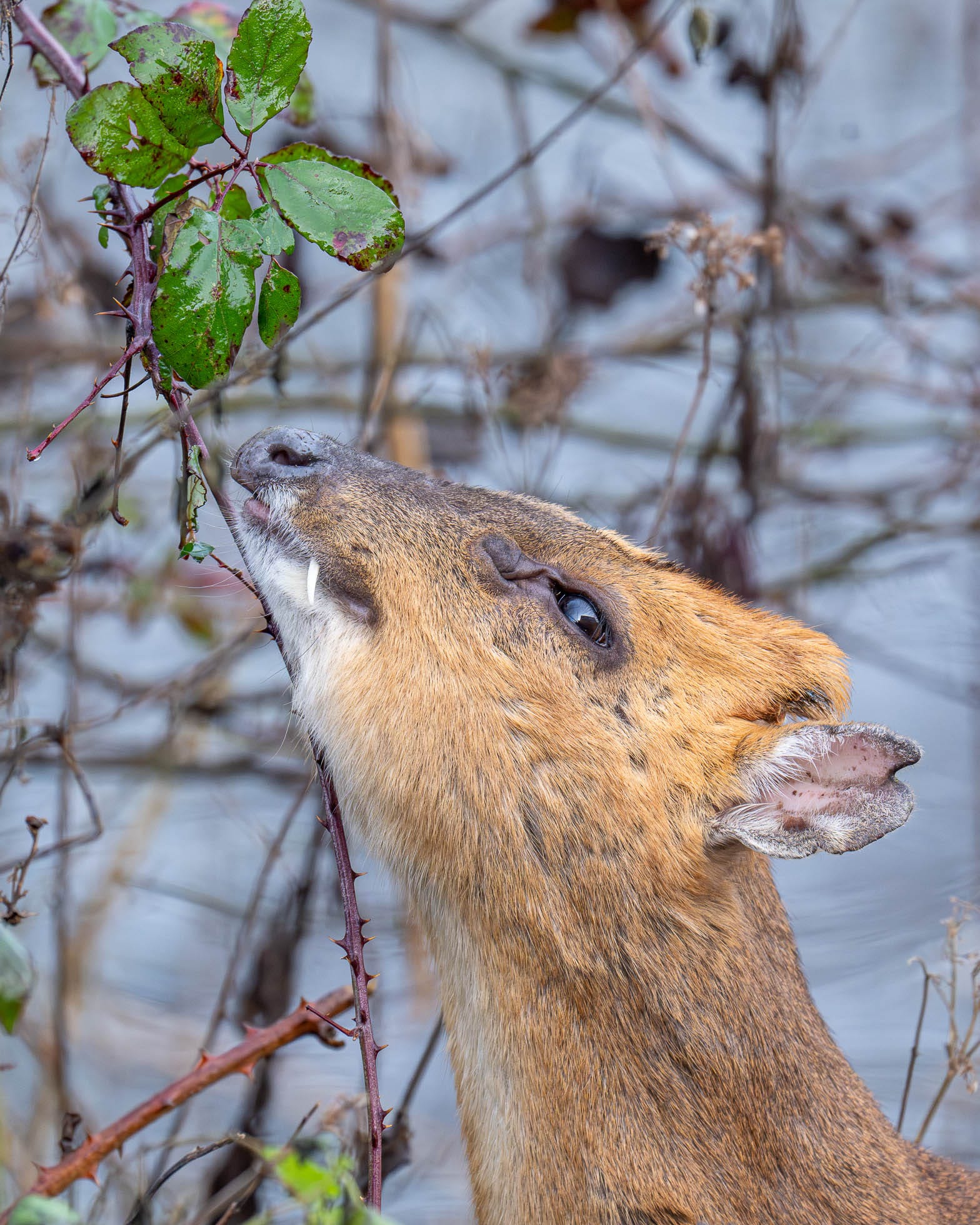
This male Muntjac was busy clearing brambles around the visitor centre at Lackford Lakes. You can clearly see his prominent preorbital scent glands, located just in front of the eyes. These glands can be flared or even turned inside out and are used for scent-marking territories and communication — often by rubbing against vegetation or when the animal is excited.
Also visible in this image are the tusk-like upper canine teeth. Muntjac use these elongated canines as weapons during territorial disputes, rather than relying on their small antlers.
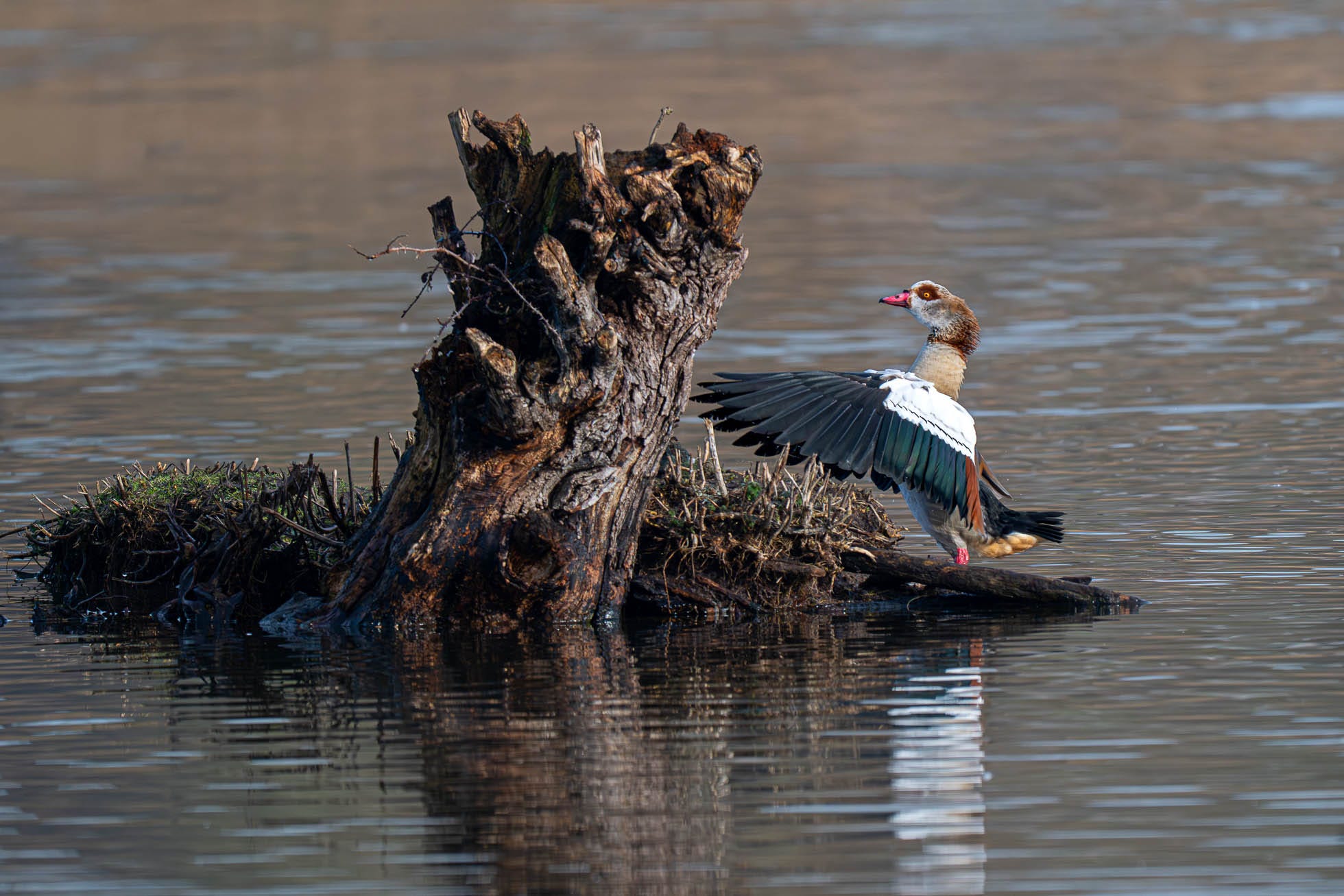
Lackford is home to many colourful Egyptian Geese, striking members of the Shelduck family. Originally native to Africa, these birds are commonly found along the Nile Valley and throughout regions south of the Sahara. They were first introduced to Great Britain for ornamental purposes in wildfowl collections. Over time, some escaped captivity and successfully established thriving wild populations across the country.
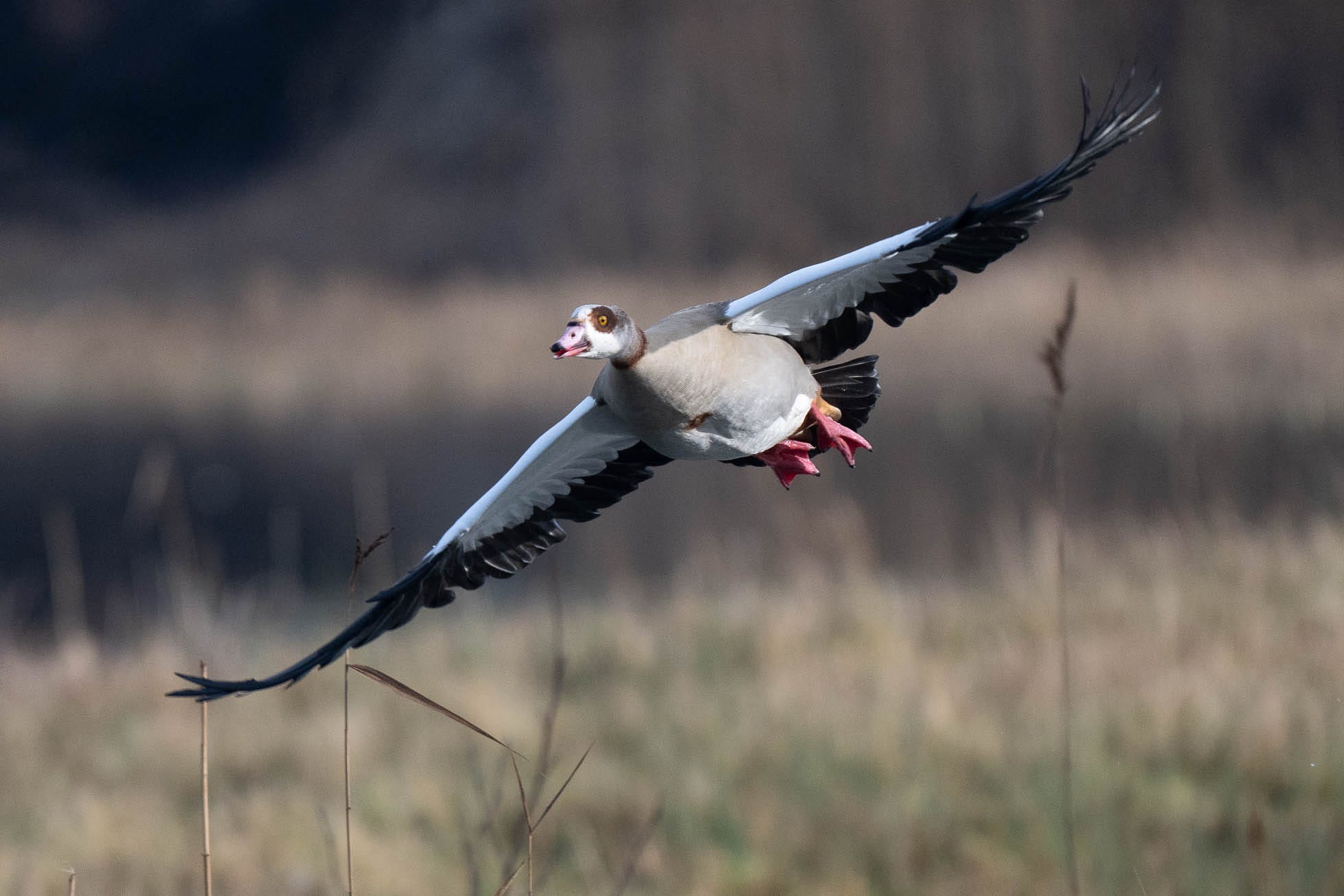
Egyptian Goose in flight.
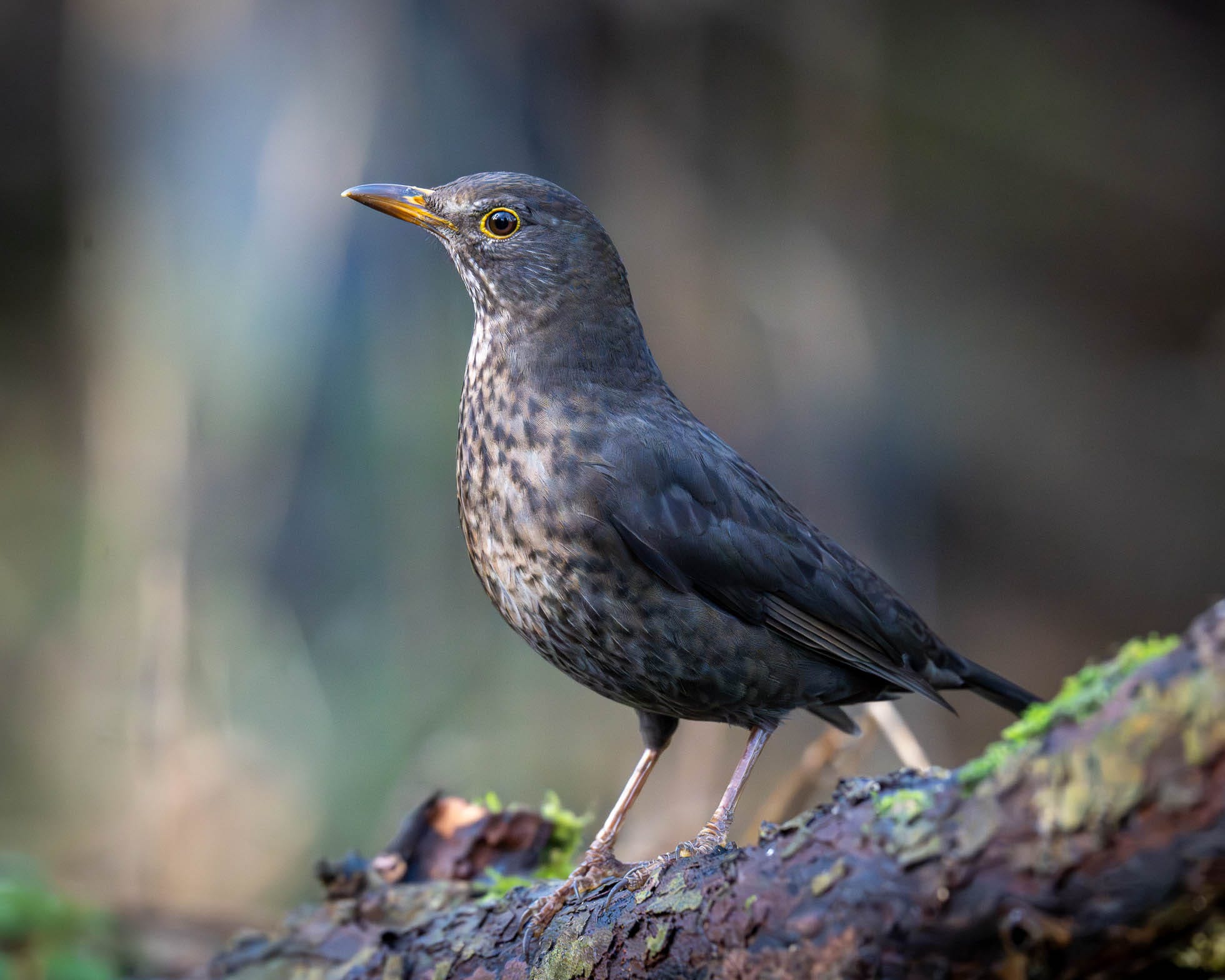
Such a beautiful Female Blackbird. Female Blackbirds can vary quite a bit in appearance depending on age and origin. The spotted front and almost black bill indicates that she is either a young first winter bird or a visitor from Europe.
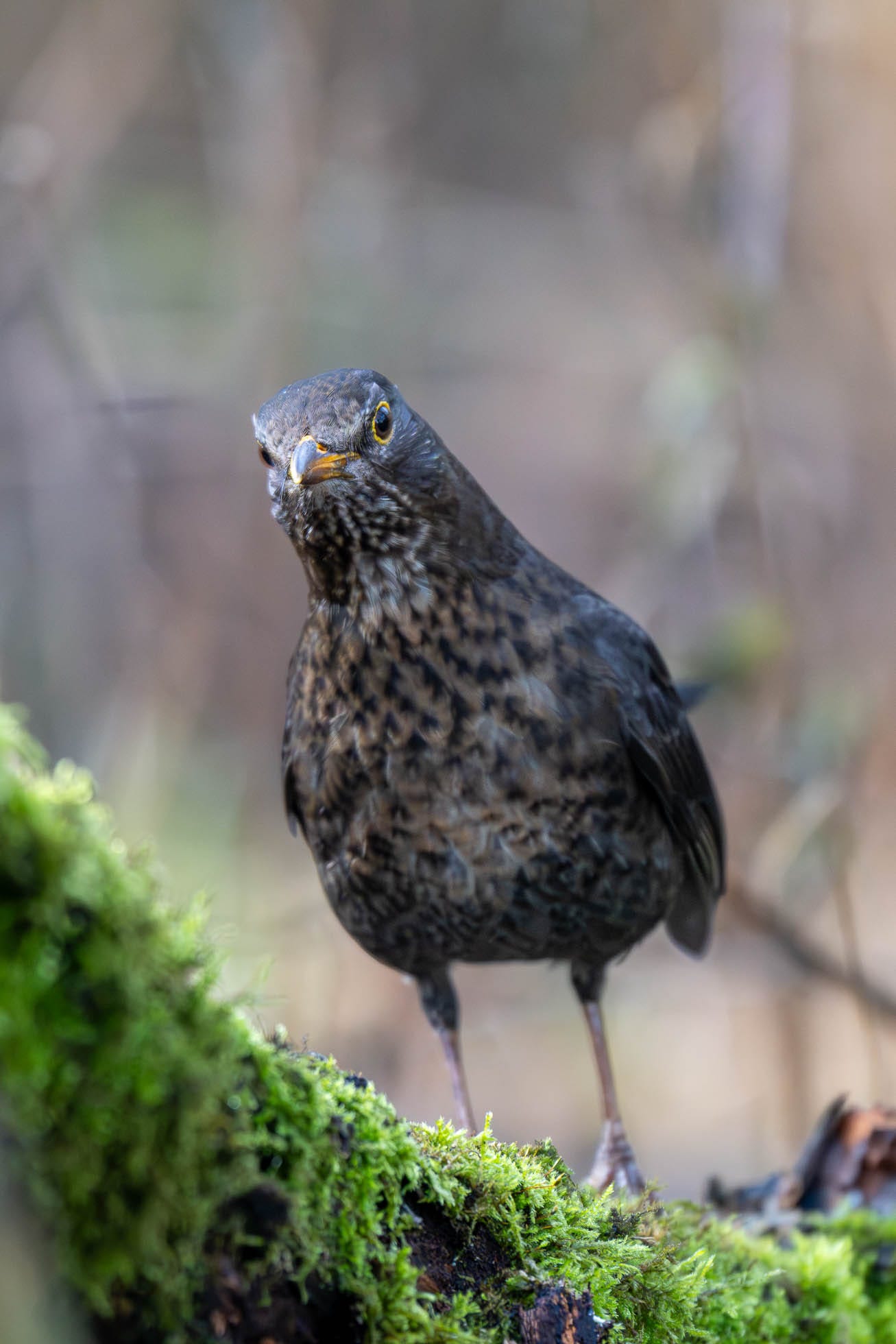
This shows the female blackbird very spotted, almost Song Thrush like front.
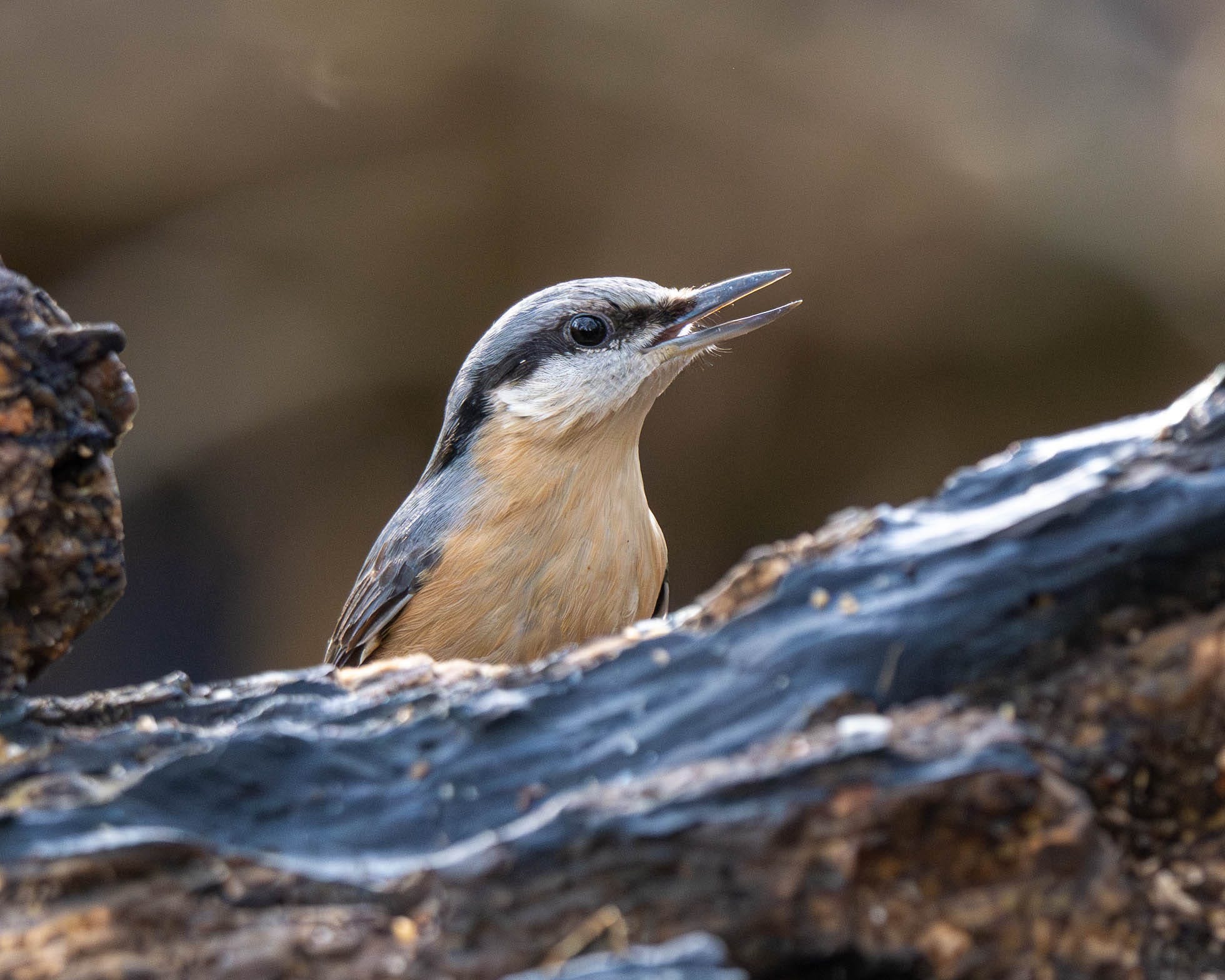
In the wood at Lackford, a small clearing has been left with fallen tree trunks where visitors can scatter a little bird food and then step back to watch a variety of woodland birds. Nuthatches are regular visitors here, often seen up close as they flit up and down the trees.
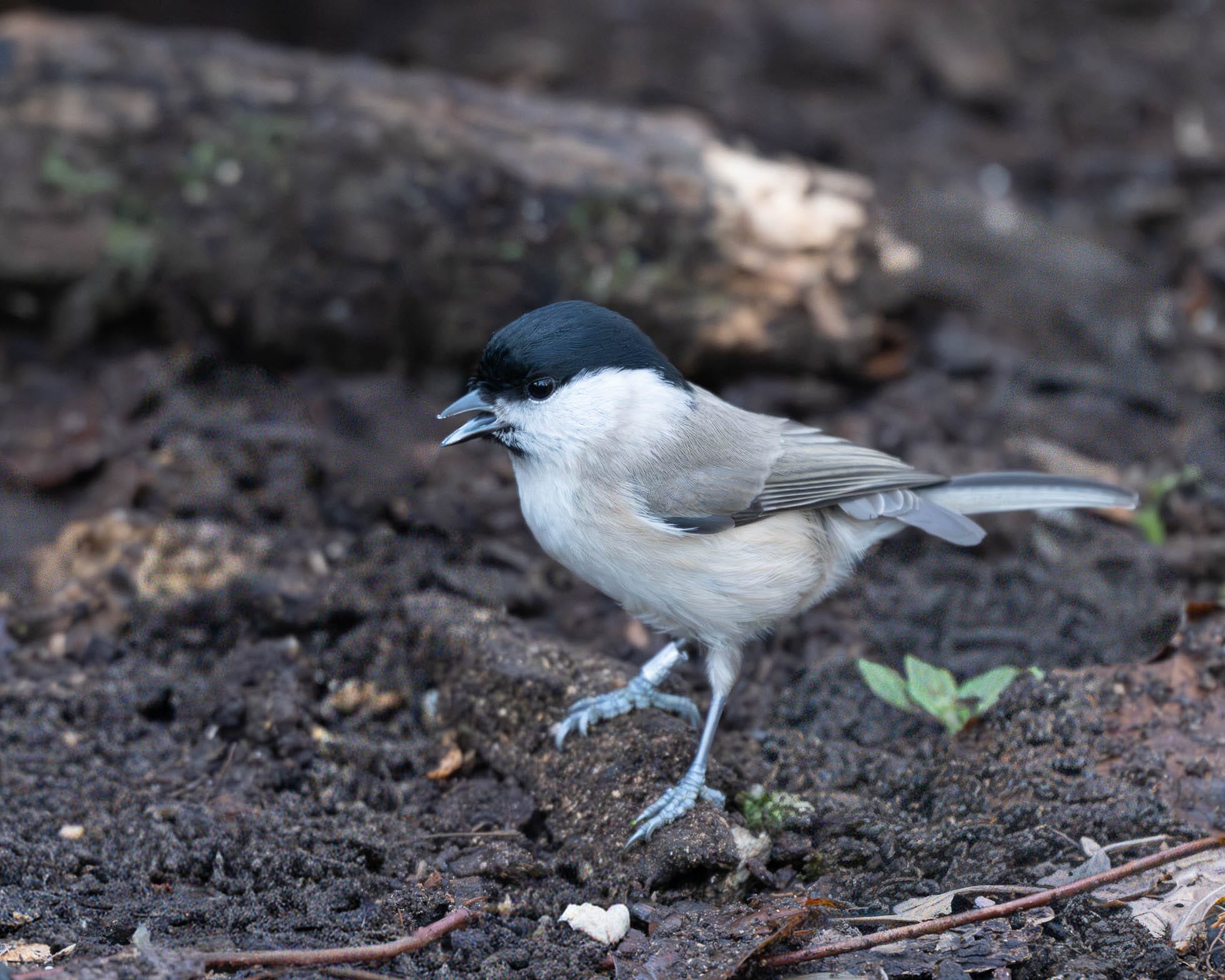
This little bird could be either a Willow Tit or a Marsh Tit — two species so alike that even seasoned birdwatchers can find it tricky to tell them apart.
There are, however, a few subtle clues that help distinguish the two. Marsh Tits tend to have a glossier black cap and a neater, more defined bib under the chin. Up close, you might notice a pale ‘cutting’ edge along their beak, and their distinctive ‘pitchoo’ call — a sound reminiscent of a tiny sneeze — is another giveaway.
After careful observation, we believe this bird is most likely a Marsh Tit, but we are not experts.
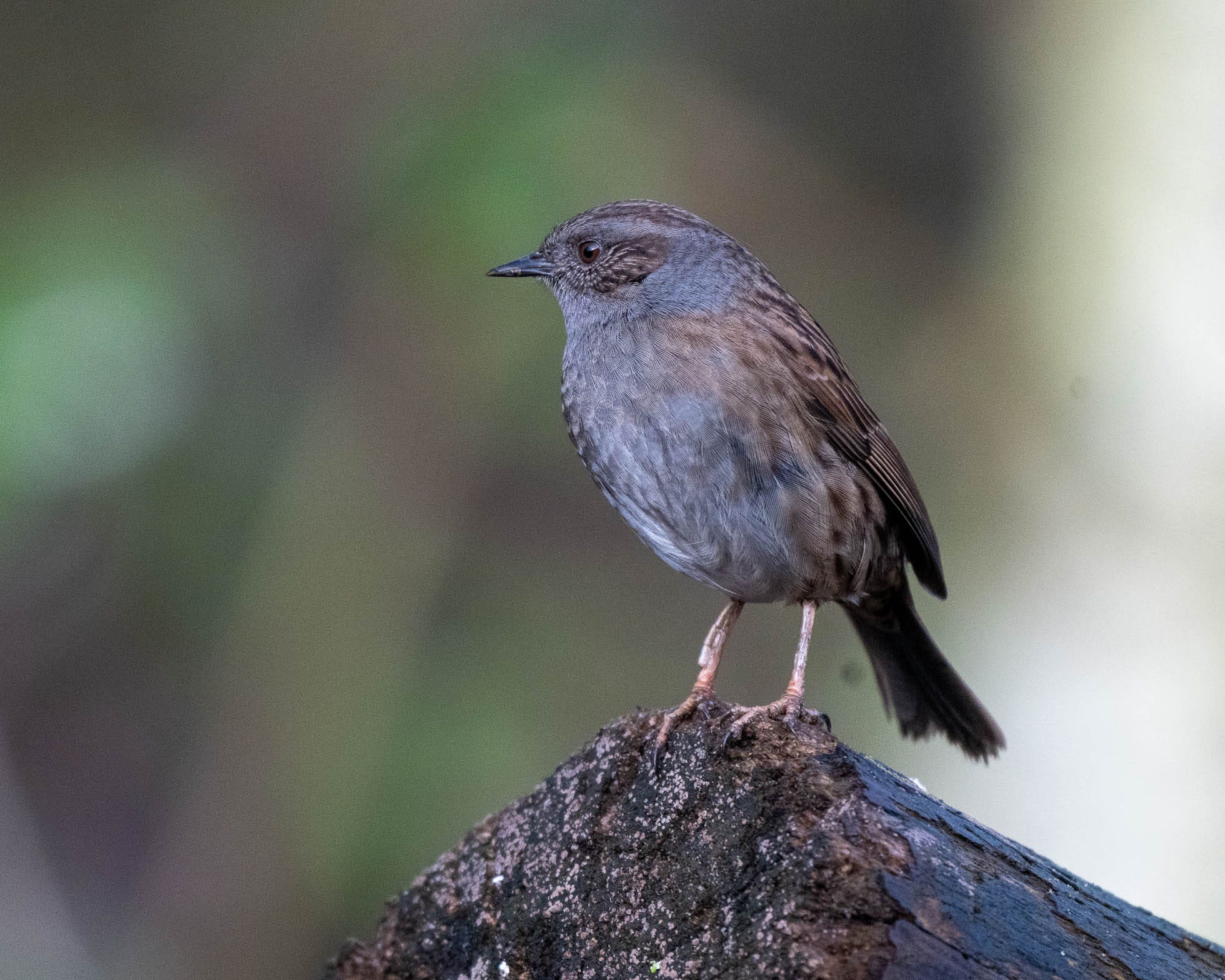
A Dunnock, growing up we knew it as a hedge sparrow but it is not a sparrow at all.
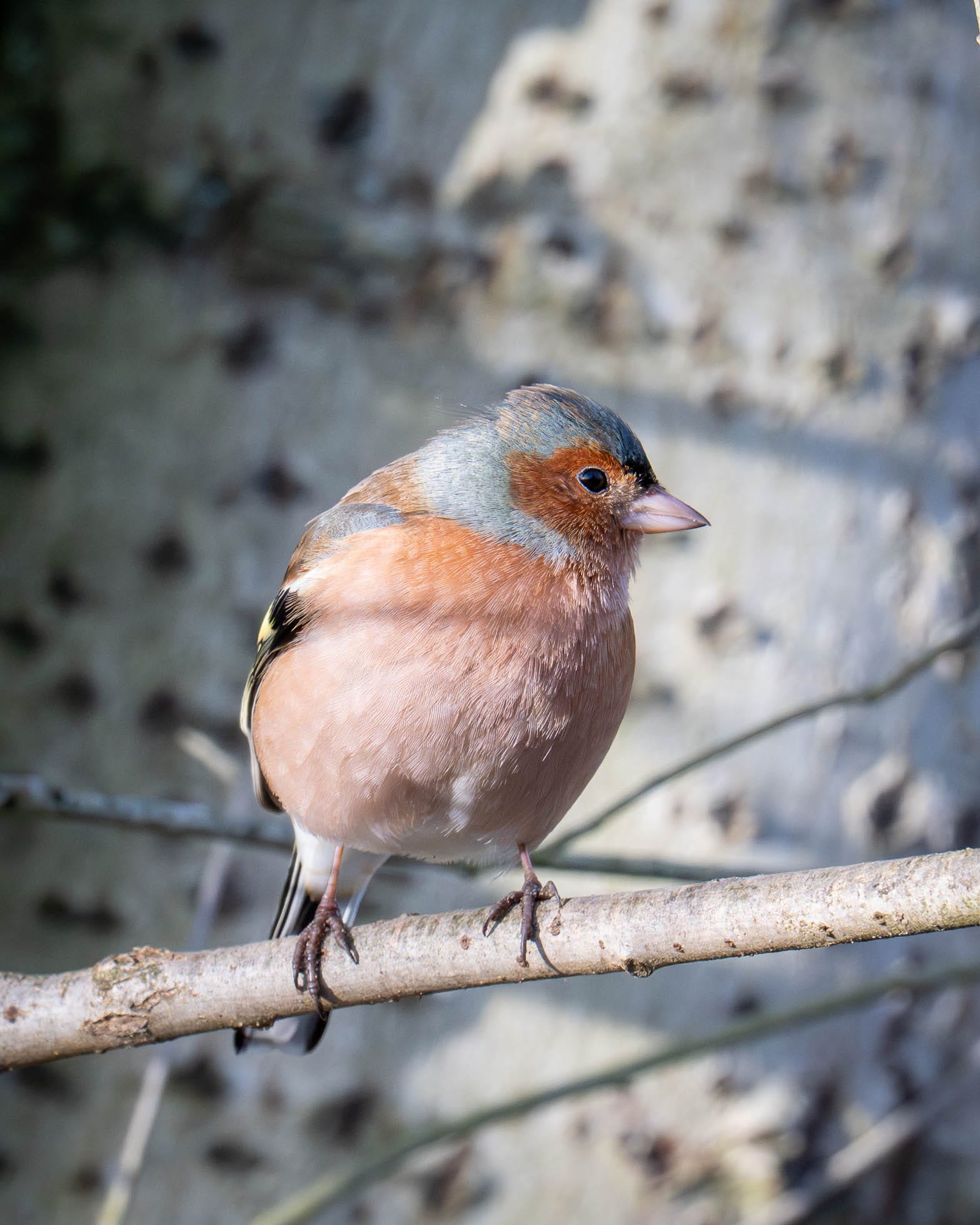
Male Chaffinches have started to get their breeding colours, with peachy coloured breasts and slate blue heads, they are very handsome birds.
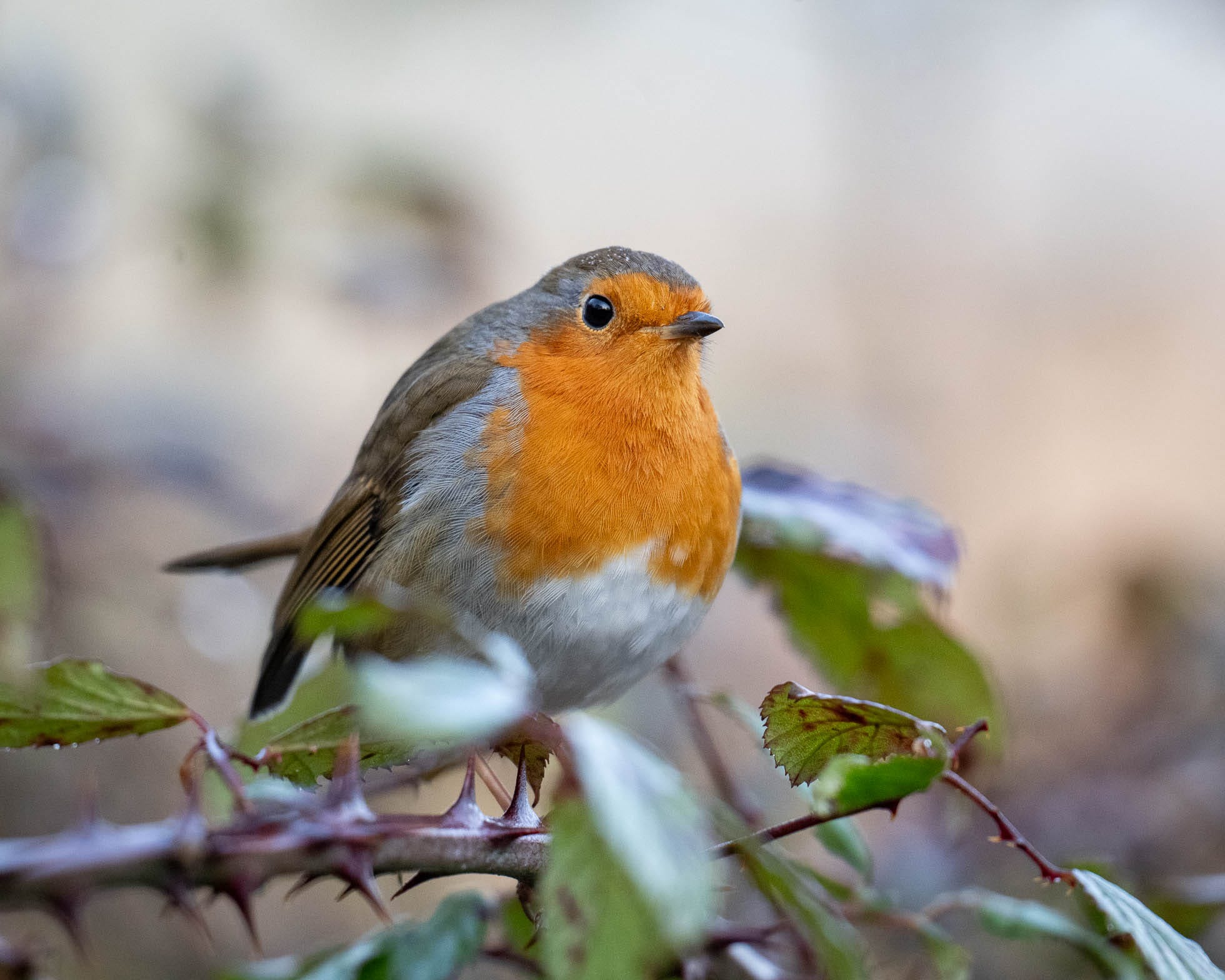
A Robin. We always seem to be followed by a Robin everywhere we visit.